
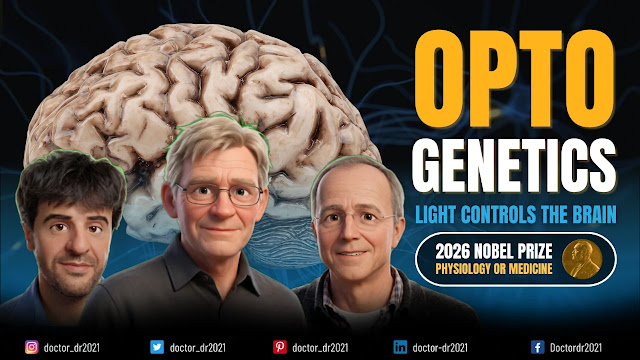
How can light-sensitive proteins help scientists activate or inhibit specific neurons? Discover the fascinating science behind optogenetics and how a discovery in a tiny green alga helped transform modern neuroscience.
This video explores the science of channelrhodopsin, the principles of light-controlled neuronal activity, applications in brain research, and the potential of optogenetics for understanding neurological disorders.
🔬 𝑾𝒂𝒕𝒄𝒉 𝒕𝒉𝒆 𝒇𝒖𝒍𝒍 𝒗𝒊𝒅𝒆𝒐: https://youtu.be/9goPKLzg1wM
A fascinating intersection of microbiology, molecular biology, and neuroscience—showing how fundamental biological discoveries can open new possibilities for scientific research.
#Optogenetics #Neuroscience #MolecularBiology #Microbiology #BrainResearch #ScientificDiscovery #ScienceEducation