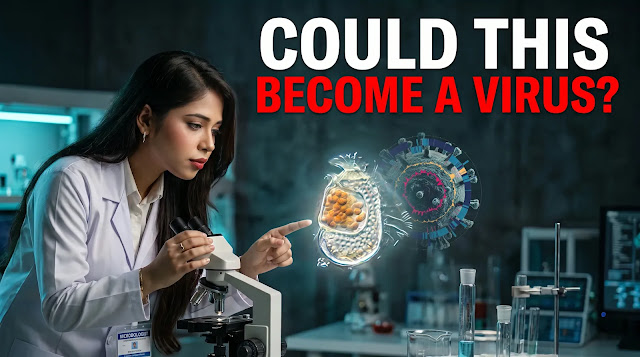
๐‚๐š๐ง ๐ฌ๐จ๐ฆ๐ž๐ญ๐ก๐ข๐ง๐  ๐›๐ž ๐š๐ฅ๐ฆ๐จ๐ฌ๐ญ ๐ฅ๐ข๐ค๐ž ๐š ๐ฏ๐ข๐ซ๐ฎ๐ฌ… ๐ฐ๐ข๐ญ๐ก๐จ๐ฎ๐ญ ๐š๐œ๐ญ๐ฎ๐š๐ฅ๐ฅ๐ฒ ๐›๐ž๐ข๐ง๐  ๐จ๐ง๐ž?

A newly discovered microorganism is challenging long-held ideas about cellular life and has sparked fascinating discussions among scientists worldwide.


Could this tiny archaeon reshape how we think about the evolution of viruses?


๐ŸŽฅ ๐‘พ๐’‚๐’•๐’„๐’‰ ๐’‰๐’†๐’“๐’†: https://youtu.be/4lIBA2Paa9s


๐Ÿ“ฑ ๐‘ด๐’Š๐’„๐’“๐’๐’ƒ๐’Š๐’๐’๐’๐’ˆ๐’š ๐‘บ๐’•๐’–๐’…๐’š ๐‘จ๐’‘๐’‘: https://play.google.com/store/apps/details?id=com.microbiologystudy.app

Leave a Reply

Your email address will not be published. Required fields are marked *